
Healthcare is a highly competitive industry, and how a medical organization presents itself visually can significantly impact patient trust and engagement. A professional healthcare graphic design strategy creates a consistent, credible, and appealing brand identity that communicates expertise, care, and reliability. In New Jersey, where healthcare providers compete for patient loyalty, effective medical graphic design is essential for hospitals, clinics, pharmacies, med spas, and wellness centers to stand out.
Healthcare graphic design encompasses logos, brochures, websites, social media visuals, infographics, patient guides, and marketing materials. Every element plays a role in reinforcing the organization’s brand, improving communication, and enhancing patient experience. Working with a skilled healthcare graphic design company ensures your medical practice conveys professionalism, clarity, and approachability while maintaining compliance with industry standards and regulations.
Why Healthcare Graphic Design Matters
Healthcare graphic design is not just about aesthetics—it’s about strategic communication and trust-building:
-
Patient trust: Professional graphics create a sense of credibility, safety, and competence.
-
Brand recognition: Consistent visuals help patients remember your clinic, hospital, or healthcare service.
-
Effective communication: Well-designed materials simplify complex medical information, improving understanding.
-
Marketing advantage: Eye-catching graphics increase engagement on social media, websites, and printed collateral.
-
Competitive differentiation: Unique, professional design helps your brand stand out in New Jersey’s crowded healthcare market.
Professional medical graphic design ensures your organization conveys expertise and care while reinforcing its values and mission visually.
Unique Challenges in Healthcare Graphic Design
Healthcare organizations face specific design challenges:
-
Balancing professionalism with approachability: Designs must look authoritative yet friendly.
-
Targeting multiple audiences: Patients, families, medical staff, and stakeholders all interact with your brand.
-
Adhering to regulations: Compliance with HIPAA, ADA, and other healthcare standards is essential.
-
Maintaining consistency: Logos, colors, fonts, and visuals must align across all touchpoints.
-
Simplifying complex information: Infographics and educational materials must communicate medical concepts clearly.
Experienced healthcare graphic designers navigate these challenges to deliver design solutions that are visually compelling, compliant, and effective.
Key Elements of Healthcare Graphic Design
A complete healthcare graphic design strategy includes multiple components:
Visual Identity
-
Logo design: Communicates the healthcare organization’s professionalism and mission.
-
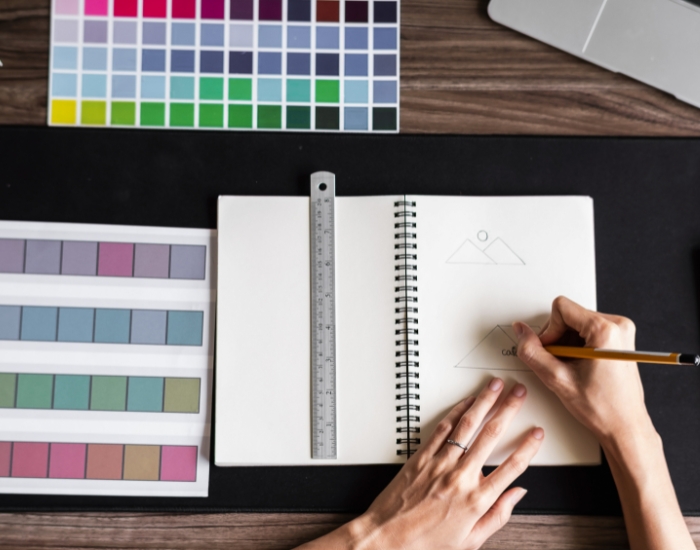
Color palette: Colors evoke trust, care, and reassurance (blues, greens, neutrals).
-
Typography: Readable, professional fonts for print and digital use.
Marketing Collateral
-
Patient brochures, flyers, and guides
-
Posters, banners, and signage
-
Social media graphics, email templates, and website visuals
Infographics & Data Visualization
-
Simplifying complex medical information for patients and staff
-
Creating visually appealing charts, graphs, and process flows
Brand Guidelines
-
Logo placement, colors, and fonts
-
Visual tone for digital and print materials
-
Ensures consistency across all channels
Styles and Approaches That Work for Healthcare
Different healthcare organizations benefit from distinct design approaches:
Modern & Minimalist
Clean lines, simple icons, and muted color palettes communicate professionalism and sophistication.
Patient-Centered & Friendly
Soft colors, approachable typography, and human-centric visuals make clinics feel welcoming.
Data-Driven & Educational
Infographics and charts effectively explain complex medical concepts to patients and staff.
Innovative & Tech-Focused
Sleek, futuristic designs appeal to specialty clinics, telehealth services, or advanced medical facilities.
Common Mistakes in Healthcare Graphic Design
Avoid these pitfalls to maintain professionalism and patient trust:
-
Overcomplicated visuals: Too many elements overwhelm and confuse the audience.
-
Inconsistent branding: Different fonts, colors, or layouts across platforms weaken recognition.
-
Ignoring accessibility: Designs must be readable for all users, including visually impaired patients.
-
Overusing clichés: Generic medical icons like crosses or pills reduce distinctiveness.
-
Neglecting digital optimization: Graphics must display correctly on websites, apps, and social media.
A professional healthcare graphic design company ensures that your brand remains cohesive, clear, and visually impactful.
How Healthcare Graphic Design Builds Trust
Professional healthcare graphic design is critical in shaping patient perception. Patients subconsciously evaluate medical providers based on visual cues, and a clean, polished design communicates reliability and competence. Consistency across signage, websites, brochures, and social media reinforces your credibility, while recognizable visuals improve brand recall.
Well-executed graphics also simplify complex medical information, helping patients understand procedures, treatments, and wellness advice. This improves engagement, reduces confusion, and enhances overall patient experience. Partnering with an expert medical graphic design provider ensures every visual element—from infographics to marketing materials—builds trust, supports your mission, and reinforces your organization’s professionalism.
Local Considerations for New Jersey Healthcare Organizations
New Jersey’s healthcare landscape is highly competitive, with diverse patient populations and a mix of urban and suburban communities. Localized healthcare graphic design can help your organization:
-
Tailor visuals to local demographics: Urban audiences may prefer modern, sleek visuals, while suburban communities respond better to approachable, patient-friendly designs.
-
Stand out from nearby competitors: Design differentiation is key in competitive cities like Newark, Jersey City, and Princeton.
-
Incorporate community cues: Colors, imagery, and messaging can resonate with the local audience.
A local healthcare graphic design company understands regional preferences, ensuring your brand feels relevant, professional, and trustworthy to New Jersey patients.
Essential Healthcare Graphic Design Deliverables
A professional medical graphic design project includes:
-
Primary logo and visual identity
-
Color palette, typography, and design system
-
Marketing collateral templates (brochures, flyers, signage)
-
Social media graphics, website visuals, and email templates
-
Infographics and patient education materials
-
Brand guidelines to maintain consistency across all platforms
These deliverables ensure your healthcare organization presents a cohesive, professional, and engaging brand across all touchpoints.
Frequently Asked Questions (FAQs)
1. How long does healthcare graphic design take?
Typical projects range from 4–8 weeks depending on scope and revisions.
2. Can medical organizations avoid generic healthcare visuals?
Yes. Expert designers create unique, memorable graphics tailored to your brand and audience.
3. Will graphics work across both print and digital channels?
Absolutely. Professional healthcare graphic design ensures visuals are optimized for all platforms.
4. How much do healthcare graphic design services cost?
Pricing varies, but investing in professional design builds trust, recognition, and patient engagement.
5. Can graphic design help improve patient engagement?
Yes. Clear, visually appealing graphics simplify information and build credibility, improving patient understanding and interaction.
Conclusion
Healthcare graphic design is essential for creating trust, clarity, and recognition in New Jersey’s competitive medical landscape. Professional medical graphic design ensures your hospital, clinic, pharmacy, or wellness center communicates reliability, professionalism, and patient-centered care. By partnering with an experienced healthcare graphic design company, your organization can create cohesive, visually compelling, and memorable branding that enhances patient engagement, builds loyalty, and supports long-term growth.






0 Comments